The Evolution of CNC Machining Parts Manufacturing
In the realm of manufacturing, the journey of CNC (Computer Numerical Control) machining has been nothing short of revolutionary. As industries continue to pursue enhanced precision and efficiency, CNC machining stands at the forefront, redefining how parts are produced. A reliable cnc machining parts manufacturer is essential in this evolving landscape, transforming raw materials into high-quality components that meet the demands of modern technology.
Understanding CNC Technology Progression
The inception of CNC technology dates back to the 1950s when it was primarily employed in aerospace and automotive industries for its ability to automate manufacturing processes. Over decades, advancements in computer technology have facilitated the development of more sophisticated CNC machines capable of executing complex designs with unparalleled accuracy.
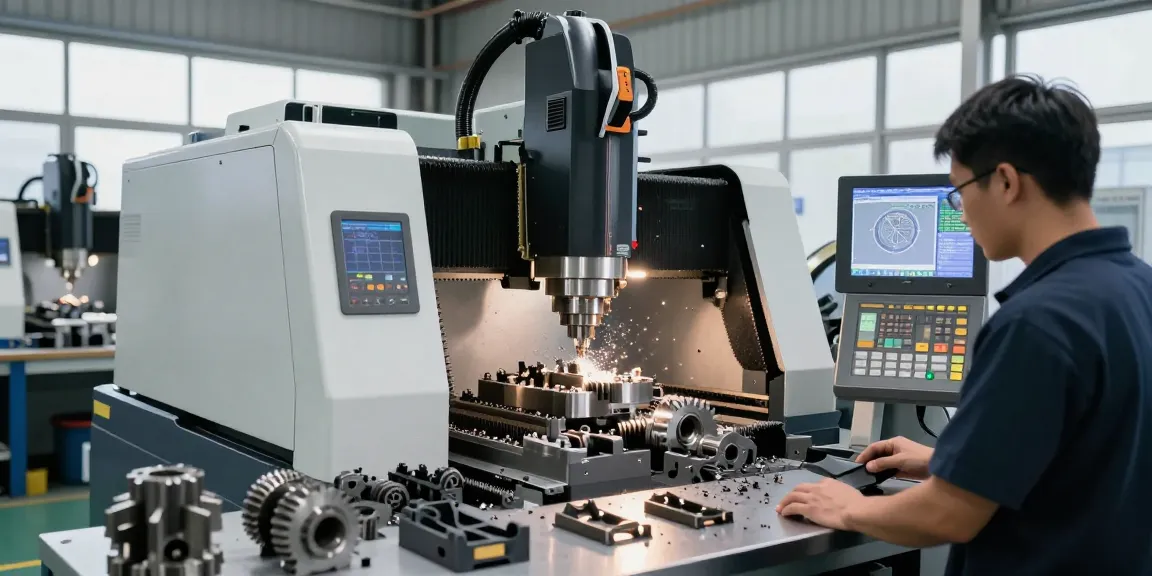
Today, CNC technology incorporates various processes, including milling, turning, and electrical discharge machining (EDM), allowing manufacturers to create intricate features that were previously unattainable. With the integration of CAD (Computer-Aided Design) software, the design process has become streamlined, reducing lead times and enabling rapid prototyping.
Historical Context of CNC Machining
CNC machining has its roots in the early 20th century, with the development of the first numerical control systems. This early version involved using punched tape to control machine tools. As technology progressed, the introduction of microprocessors in the 1970s marked a significant turning point, allowing for real-time feedback and enhanced precision. By the 1980s, the transition to full automation became standard across many industries.
This historical context underlines the fundamental changes in manufacturing processes and the continuous drive for improvement, which prompts companies to invest significantly in CNC technology. As industries face increasing competition, understanding these technological shifts is vital for staying ahead in the market.
Impact of Industry 4.0 on Manufacturing
Industry 4.0, often termed the fourth industrial revolution, has profoundly impacted CNC machining. This paradigm shift emphasizes the integration of smart technology into manufacturing processes. The use of IoT (Internet of Things) has enabled CNC machines to communicate with one another, facilitating real-time monitoring and analytics.
As manufacturers adopt smart devices and predictive maintenance tools, they significantly reduce downtime and enhance operational efficiency. The interconnectivity of machines allows for more significant data collection, leading to insights that can optimize production processes. This evolution not only improves product quality but also enhances the overall manufacturing ecosystem.
Key Benefits of Working with CNC Machining Parts Manufacturers
Collaborating with a reputable CNC machining parts manufacturer brings several advantages that can significantly impact production quality and business outcomes.
Precision and Accuracy in Production
One of the cornerstone benefits of CNC machining is its ability to produce highly precise and accurate parts consistently. CNC machines operate based on programmed instructions, allowing them to create components with tolerances as tight as a few thousandths of an inch. This level of precision is crucial in industries such as aerospace, automotive, and medical, where even minor discrepancies can lead to catastrophic failures.
Moreover, CNC machining minimizes human error, leading to a more streamlined production process and better end products. The consistency in manufacturing provides businesses with confidence that their components will perform as expected, enhancing their overall reliability.
Cost-effectiveness and Efficiency
Working with CNC machining parts manufacturers can also lead to significant cost savings. The automation of machining processes reduces labor costs and increases production rates. With faster machining speeds and the ability to run multiple operations simultaneously, manufacturers can achieve higher output levels without sacrificing quality.
- Reduced material waste: CNC machining optimizes material usage, minimizing waste during production.
- Lower manufacturing costs: Automated processes and reduced labor requirements decrease overall expenses.
- Faster turnaround times: The ability to produce parts quickly meets the demands of fast-paced markets.
Customization and Flexibility in Designs
CNC machining offers unparalleled customization options for manufacturers. Unlike traditional machining methods, CNC machines can be easily reprogrammed to accommodate different designs and specifications. This flexibility is essential for businesses looking to pivot quickly in response to market demands or customer preferences.
Additionally, manufacturers can produce small batches of customized parts without incurring the high costs typically associated with custom tooling. This capability allows businesses to test new products with minimal risk and investment.
Common Challenges Faced by CNC Machining Parts Manufacturers
Despite the significant advantages of CNC machining, manufacturers face several challenges that can impact their operations and output quality.
Supply Chain Disruptions and Material Shortages
Supply chain disruptions have become increasingly common in recent years, affecting the availability of raw materials critical to CNC machining. Global events, such as pandemics or geopolitical tensions, can lead to material shortages, resulting in production delays and increased costs.
To mitigate these challenges, manufacturers must develop robust supply chain strategies, including diversifying suppliers and maintaining inventory buffers. By anticipating potential shortages and having contingency plans, CNC machining parts manufacturers can maintain production levels and meet customer demands.
Quality Control and Assurance Issues
Maintaining quality control is paramount in CNC machining. Manufacturers must implement stringent quality assurance processes to ensure that parts meet the required specifications and industry standards. Inconsistent quality can lead to costly rework or scrap, negatively impacting profitability.
Additionally, the introduction of new technologies can complicate quality control measures. Manufacturers need to invest in training their workforce and enhancing their quality management systems to adapt to evolving production techniques.
Technological Adaptation and Workforce Training
The rapid pace of technological advancement in CNC machining necessitates continuous adaptation by manufacturers and their workforce. Investing in the latest machinery and software can be a significant financial commitment, making it essential for businesses to have a clear understanding of their return on investment.
Furthermore, workforce training is critical to fully leverage new technologies. Skilled operators are essential for maximizing the capabilities of advanced CNC machinery. Manufacturers that prioritize training and upskilling their workforce will maintain a competitive edge and drive innovation within their operations.
Best Practices for Choosing a CNC Machining Parts Manufacturer
Selecting the right CNC machining parts manufacturer is crucial for ensuring high-quality production and successful partnerships. Here are some best practices to consider.
Evaluating Manufacturer Credentials and Experience
When choosing a CNC machining parts manufacturer, it is vital to evaluate their credentials and industry experience. Manufacturers with a proven track record in your specific industry are more likely to understand the unique challenges and requirements.
Additionally, reviewing customer testimonials and case studies can provide valuable insights into their reliability and quality of service. Certifications, such as ISO 9001, indicate a commitment to maintaining high-quality standards.
Understanding Capabilities and Equipment
Different CNC machining parts manufacturers have varying capabilities and equipment. It is essential to assess what types of machines and technologies they employ and how these align with your production needs.
Consider their ability to handle your specific material requirements, tolerances, and complexity of designs. Manufacturers that invest in advanced CNC technology may offer superior capabilities for producing intricate components.
Assessing Customer Service and Support
Effective communication and customer support are vital components of a successful partnership with a CNC machining parts manufacturer. Manufacturers that prioritize customer service can offer timely assistance with design adjustments, production updates, and issue resolution.
Evaluating their responsiveness and willingness to collaborate on design improvements and production processes can determine the strength of your business relationship.
The Future of CNC Machining in 2026 and Beyond
As industries evolve, the future of CNC machining holds exciting possibilities that will shape the manufacturing landscape over the coming years.
Emerging Trends in CNC Technology
The integration of artificial intelligence (AI) and machine learning into CNC machining is set to transform how manufacturers operate. These technologies can analyze data in real-time, optimizing production processes and predictive maintenance. As predictive analytics becomes mainstream, manufacturers will preemptively address potential issues, reducing downtime and enhancing productivity.
Sustainability Practices in Manufacturing
With the growing emphasis on sustainability, CNC machining is also evolving to adopt eco-friendly practices. Manufacturers are increasingly focusing on minimizing waste through efficient material usage and energy consumption. Utilizing biodegradable materials and developing closed-loop processes will become essential in meeting environmental standards.
Predictions for Market Growth and Innovations
The CNC machining market is expected to continue growing as industries increasingly rely on precision manufacturing capabilities. Innovations in automation, robotics, and additive manufacturing will play a significant role in shaping the future of CNC machining. Companies that embrace these technologies will find themselves at the forefront of the industry.
How to Optimize Manufacturing Processes for Future Success
To remain competitive, manufacturers must continuously seek ways to optimize their processes. Implementing lean manufacturing principles, investing in employee training, and adopting the latest technologies will be critical for success. Additionally, fostering a culture of innovation within organizations can drive continuous improvement and responsiveness to market changes.
Why is CNC Machining Critical for Future Innovations?
The precision and versatility of CNC machining make it an indispensable component of future innovations across various sectors. As industries focus on developing new products and solutions, the ability to produce complex, high-quality components will be paramount.
What Should Companies Look for in a CNC Manufacturer?
When choosing a CNC manufacturer, companies should prioritize expertise, technological capabilities, and customer support. A manufacturer that demonstrates a commitment to quality assurance and innovation will be more likely to align with your long-term goals.
How Can Companies Ensure Quality in CNC Machined Parts?
Ensuring quality in CNC machined parts involves implementing rigorous quality control processes, including regular inspections and testing. Manufacturers should also foster a culture of accountability, where employees are educated about quality standards and empowered to identify issues proactively.
What Role Do Advanced Technologies Play in CNC Machining?
Advanced technologies, such as AI, IoT, and robotics, play a significant role in enhancing the capabilities of CNC machining. These tools enable manufacturers to optimize production, reduce waste, and improve accuracy, ultimately leading to higher quality outputs and customer satisfaction.
What Are the Key Metrics for Evaluating Manufacturer Performance?
Key metrics for evaluating CNC manufacturers include production lead time, quality defect rates, on-time delivery, and overall customer satisfaction. Regularly analyzing these metrics can help businesses identify areas for improvement and ensure their manufacturing partners meet their needs.