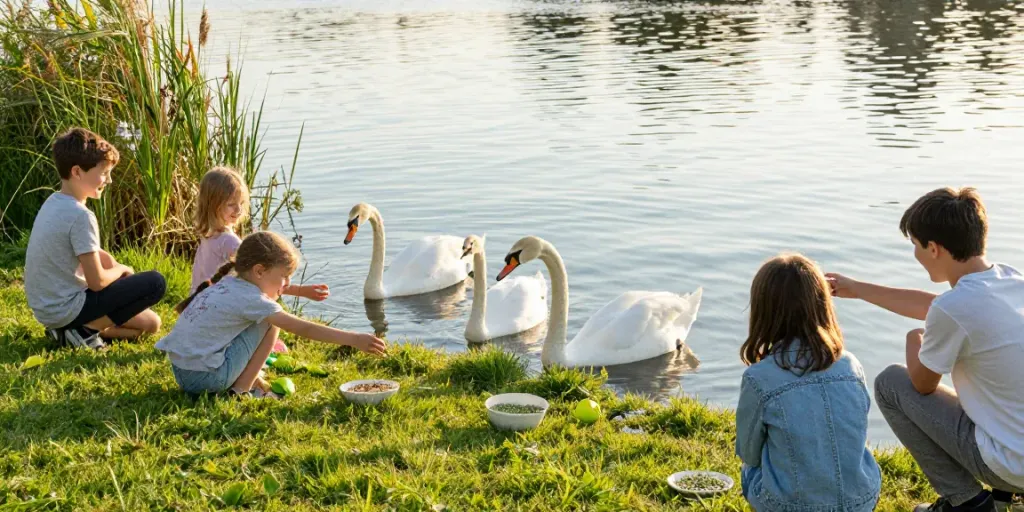
Understanding What Swans Eat in the Wild
Swans are majestic creatures known for their grace and beauty. However, many people often wonder about their dietary habits. From the serene lakes and ponds where they thrive to their natural foraging behaviors, understanding what swans eat can enrich our appreciation for these birds. This article will delve into their natural diet, feeding behaviors, and how we can safely support them in different environments.
Natural Diet of Swans: Aquatic Plants and More
Swans primarily thrive on a diet rich in aquatic vegetation. Their natural feeding habits are largely herbivorous, relying on a variety of plants found in their habitats. These include submerged plants like pondweed, water lilies, and algae. Aquatic plants represent the core of a swan's diet, providing essential nutrients needed for their health and well-being.
In addition to aquatic vegetation, swans may occasionally consume small amounts of animal matter—such as small fish, frogs, insects, and even worms. However, these animal-based foods do not constitute a significant part of their diet and are usually ingested incidentally while foraging for plants.
How Swans Forage for Food
Swans have unique feeding techniques that help them gather their preferred foods. They typically feed by tipping forward, extending their long necks down into the water to reach submerged plants. This method allows them to access food that is otherwise difficult to reach. Moreover, swans often graze on land, especially when aquatic plants are less accessible due to water levels or seasonal changes.
During the spring and summer months, swans are particularly active in foraging, as the availability of vegetation is at its peak. They will spend hours swimming in shallow waters, locating and uprooting tender plants that form the basis of their diet.
Seasonal Changes in Swan Diet
Swans' diets can change with the seasons. In winter, when many water bodies freeze over, swans may shift their foraging behavior and seek food on land, grazing on grasses and leftover crops. The colder months can make aquatic vegetation scarce, driving them to adapt and find alternative nutritional sources. This adaptability is critical for their survival, demonstrating the importance of understanding their natural behaviors in relation to changing environmental conditions.
Best Foods to Feed Swans Safely
While swans are generally capable of finding their own food, many people enjoy feeding them in parks and natural settings. It is essential to know which foods are safe and beneficial for swans, as well as those that can be harmful.
Recommended Foods for Swans
When it comes to feeding swans, several options are considered safe and suitable. These include:
- Waterfowl pellets, which are specifically formulated for birds like swans and ducks
- Peas, both fresh and frozen
- Sweetcorn, either canned or fresh
- Oats and wheat grains
- Chopped leafy greens such as lettuce, spinach, and cabbage
These foods are similar to what swans forage for in their natural habitats and provide them with necessary nutrients without causing harm.
How to Safely Feed Swans at Parks
If you decide to feed swans at parks or ponds, it is vital to do so responsibly. Always feed swans in moderation, throwing small amounts of food directly into the water rather than on land. This practice helps avoid tempting them to come onto roads or crowded areas where they might be at risk. If you notice food accumulating, it is best to stop feeding altogether to prevent waste and potential health issues for the swans.
Risks of Feeding Swans Harmful Foods
Feeding inappropriate foods can lead to severe health problems for swans. Mouldy bread, processed human foods, and items high in sugar or salt should never be given to them. These foods can contribute to malnutrition and increase the risk of diseases. Moreover, they can negatively impact the water quality around feeding areas. It's essential to be mindful of the nutritional integrity of the foods we offer swans to help maintain their health and the health of their environment.
Common Misconceptions About Swan Feeding
Many misconceptions exist surrounding the diets of swans and what is appropriate to feed them. Understanding these myths is crucial for anyone interested in supporting swan populations.
Do Swans Eat Bread? Myths Debunked
One of the most common myths is that bread is an acceptable food for swans. While swans can eat bread in small quantities, it lacks the nutritional value they require and should not be the centerpiece of their diet. Over-reliance on bread can lead to health issues, making it essential for individuals to prioritize better food options.
Understanding Low-Value and Harmful Foods
Low-value foods, such as fresh bread, can be tolerated but should never replace more nutritious offerings like pellets or greens. Harmful foods include processed snacks, cake, and any spoiled items, which can create serious health complications for swans. Staying informed about these distinctions helps ensure that our feeding practices support their well-being.
Why Natural Foraging Matters
Natural foraging allows swans to engage in essential behaviors that promote their health and well-being. Supplemental feeding should never completely replace this behavior. By understanding and respecting swans' natural dietary habits, we can support their health without disrupting their natural behaviors.
Feeding Cygnets: What Baby Swans Eat
Cygnets, or baby swans, have different dietary needs compared to adults. Understanding what these young birds eat is vital for their growth and development.
Feeding Tips for New Swan Parents
New swan parents take on the responsibility of guiding their cygnets to sources of food. They often assist their young by pulling up vegetation to the surface, making it easier for cygnets to access. It is essential to provide appropriate foods that promote healthy growth, such as softened waterfowl pellets and tender greens.
What to Offer Young Cygnets
When feeding cygnets, it is best to offer small, manageable pieces of food. Young swans can eat small aquatic insects, soft plant materials, and specially formulated waterfowl pellets. Feeding should focus on soft and easy-to-digest food to support their developing digestive systems.
Role of Parents in Feeding Behavior
Parental guidance plays a critical role in the feeding habits of cygnets. As they grow, cygnets learn to forage by observing their parents. This visual learning process is essential for developing their foraging skills as they mature.
Conclusion: Should You Feed Swans?
Feeding swans can be a rewarding experience, but it comes with responsibilities. Before deciding whether to feed swans in your area, consider several factors regarding their natural habits and overall health.
Considerations Before Feeding Swans
Evaluate the local environment and check if there are already natural food sources available. In many cases, swans can thrive without human assistance, especially in healthy wetlands rich in aquatic vegetation.
Alternatives to Regular Feeding
During harsh weather conditions or in urban waterways where food is limited, swan feeding can become more necessary. In these situations, it is crucial to offer only suitable foods and respect their natural foraging patterns.
Impacts of Human Feeding on Swan Habits
Human feeding can alter natural behaviors and create dependency. While periodic feeding may help in specific contexts, it is essential for swans to engage in their natural foraging behaviors to maintain their health and independence.
What are Safe Foods for Swans?
Safe foods include waterfowl pellets, peas, sweetcorn, and chopped greens. By providing these foods in moderation, you can support the health of swans and minimize risks associated with feeding.
What Foods are Harmful to Swans?
Avoid feeding swans mouldy or processed foods, as these can lead to severe health complications. Understanding the distinction between safe and harmful foods is key to responsible bird feeding.
What Do Cygnets Eat?
Cygnets require softer foods than adults, primarily focusing on tender greens and small aquatic insects as they learn to forage effectively.
Should You Feed Swans in the Water or on Land?
Feeding swans in the water is preferred, as it mimics their natural feeding patterns and decreases the risk of attracting them to potentially dangerous areas.
Do Swans Need People to Feed Them?
In most environments, swans can find adequate food without human intervention. Supplemental feeding should be limited and only occur when necessary.
Why Do Swans Feed on Land in Winter?
Swans may seek food on land during winter months when aquatic plants are inaccessible. They adapt their feeding strategies to ensure they meet their nutritional needs.
What Should You Do If A Swan Looks Hungry Or Weak?
If you encounter a swan that appears weak or unresponsive, it is best to contact a local wildlife rescue or animal care group rather than attempting to feed it without proper knowledge. It's essential to be cautious, as hunger and illness can appear similar from a distance.
Can Swans Eat Bread in Small Amounts?
While swans can tolerate small amounts of fresh bread, it should not be the main component of their diet. It's crucial to prioritize more nutritious options to maintain their health.
Do Swans Eat the Same Food in Ponds and Lakes?
The food swans consume can vary between ponds and lakes based on the available vegetation and water conditions. Calm, shallow waters often provide easier access to natural food sources.