
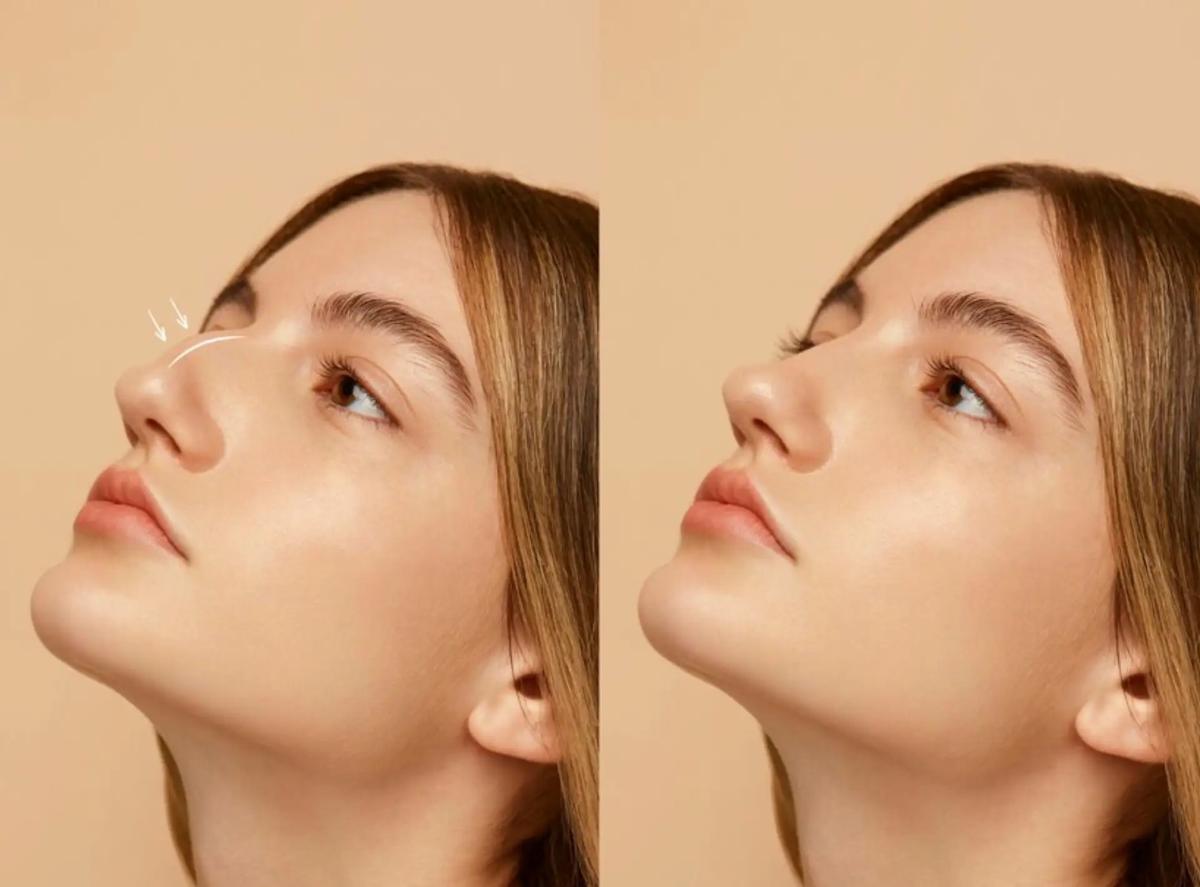
Let’s cut through the noise. If you’re thinking about reshaping your nose, you’re not just chasing a new look—you’re considering a change that can affect how you breathe, how you feel in your own skin, and even how others perceive you. That’s why rhinoplasty in Dubai isn’t just another cosmetic trend. It’s a serious decision with real-life consequences. And for many people, it turns out to be one of the most satisfying choices they’ve ever made.
What Rhinoplasty Actually Changes
Rhinoplasty isn’t just about making your nose smaller or straighter. It’s a surgical reconfiguration of the nasal structure—bone, cartilage, soft tissue, and airflow pathways. Whether you’re dealing with a bump on the bridge, a tip that droops, wide nostrils, or breathing issues from a deviated septum, this procedure can address all of them.
Some patients come in wanting subtle refinement. Others need structural correction after trauma. The goal isn’t to create a “perfect” nose—it’s to bring balance. A nose that fits naturally with your eyes, cheeks, and jawline. When done right, the result looks like you, but better.
Why People Are Choosing Dubai
Dubai has built a reputation not just as a luxury destination, but as a hub for high-quality medical care. Clinics here are equipped with advanced tools, staffed by surgeons trained internationally, and operate under strict hygiene and safety standards. What stands out is the seamless integration of world-class facilities with personalized attention.
For international patients, the language barrier isn’t an issue—most clinics have English-speaking teams fluent in both medicine and empathy. Consultations are thorough, not rushed. You don’t get a sales pitch; you get a clear roadmap.
And yes, the city’s skyline might distract you—but when you walk into a clinic, the focus stays on your health, your goals, and your comfort.
Who Should Consider It—and Who Should Wait
You’re a good candidate if you’re physically healthy, emotionally ready, and realistic about outcomes. Your nose should be fully developed—usually by age 16 for girls, 17 for boys. Teenagers often wait until their facial growth stabilizes.
If you’ve had a nasal injury, live with chronic congestion, or simply dislike the way your nose sits on your face, rhinoplasty could be a meaningful step. But if you’re hoping for a dramatic transformation or expecting perfection, you might be setting yourself up for disappointment.
The best results come from collaboration. A skilled surgeon won’t force a mold onto your face. They’ll work with your natural features, enhancing what’s already there.
The Process: From Consultation to Recovery
It starts with a detailed discussion. The surgeon will examine your nose from every angle, ask about your medical history, and review photos. They’ll explain what’s possible, what’s risky, and what’s not feasible. This is where trust begins.
Surgery itself is performed under general anesthesia. Incisions are usually hidden inside the nostrils (closed technique), though external cuts may be needed for complex cases. The surgeon reshapes the framework, corrects internal issues, and ensures symmetry.
After surgery, you’ll wear a splint for about a week. Swelling peaks around day three and gradually fades over weeks. Bruising is common but usually gone within ten days. Most people return to desk jobs in 7–10 days, but strenuous activity should wait at least four weeks.
Healing Takes Time—But It’s Worth It
The final shape of your nose doesn’t appear overnight. It takes six months to a year for swelling to fully resolve, especially at the tip. Patience isn’t optional—it’s part of the process.
During recovery, sleep with your head elevated, avoid blowing your nose, and protect your face from impacts. Follow-up visits are crucial. They allow the surgeon to monitor healing and catch any early complications.
Consistency matters more than intensity. Small daily habits—like gentle cleaning and avoiding sun exposure—can make a big difference in long-term results.
Cost: What You’re Really Paying For
Prices start around AED 20,000 and go up to AED 45,000 or more. This range reflects several factors: surgeon expertise, whether it’s a first-time or revision surgery, functional corrections, anesthesia fees, facility costs, and included follow-ups.
Don’t fixate on the lowest price. A cheaper quote might mean fewer services, less experience, or hidden charges later. Ask for a full breakdown. Transparency during consultation is a sign of professionalism.
Questions That Matter Before You Say Yes
Before committing, ask:
-
What kind of outcome can I realistically expect?
-
Will this improve my breathing, or is it purely aesthetic?
-
How long will recovery take based on my lifestyle?
-
What exactly is included in the quoted price?
-
What happens if something goes wrong?
A good surgeon welcomes these questions. Silence or vague answers are red flags.
Final Word: It’s About You, Not Trends
Rhinoplasty in Dubai isn’t about fitting into a mold. It’s about aligning your appearance with your identity. Whether it’s confidence, function, or personal peace you’re after, the right surgery can deliver that.
But only if you choose wisely. Look for someone who listens more than they talk. Someone who sees your face—not just your nose.
Because the best changes aren’t flashy. They’re quiet. Natural. Yours.


