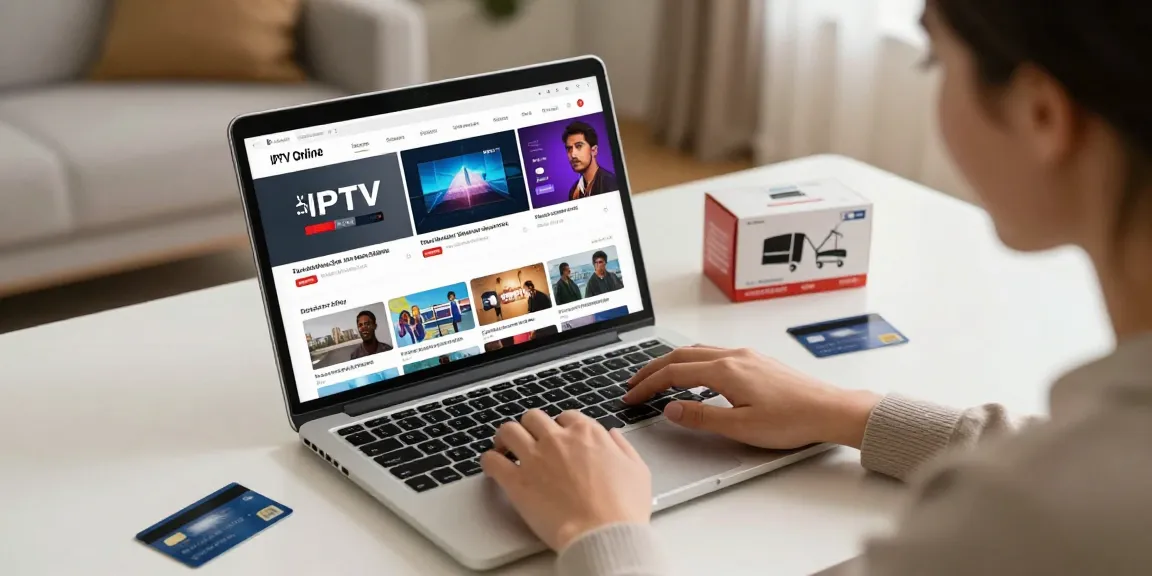
Understanding IPTV: The Future of Television
As the landscape of television continues to evolve, IPTV (Internet Protocol Television) stands at the forefront, transforming how viewers engage with their favorite shows and movies. IPTV delivers content through internet networks rather than traditional cable or satellite systems, allowing for a more flexible and dynamic viewing experience. When exploring options, iptv offers comprehensive insights into its features, costs, and benefits, helping consumers make informed decisions in the ever-competitive entertainment market.
What is IPTV and How Does It Work?
IPTV is a method of streaming television content over the internet using a broadband connection, allowing viewers to watch live broadcasts and on-demand programming on various devices, including smart TVs, computers, tablets, and smartphones. By utilizing internet protocols to deliver show and movie content, IPTV differentiates itself from traditional broadcasting methods.
The system functions through several key components:
- Content Delivery: IPTV streams audio and video content directly from the provider’s server to the user’s device, eliminating the need for physical media.
- Streaming: Users can begin watching content almost instantly, enjoying smooth playback without long download times.
- Device Compatibility: IPTV is versatile, compatible with multiple devices, making it convenient for users to access their favorite content anytime, anywhere.
- Flexibility: Many IPTV services offer the option to select specific channels, shows, or even the ability to pause and rewind live broadcasts.
Benefits of Switching from Cable to IPTV
Transitioning from traditional cable television to IPTV comes with several advantages:
- Cost-Effectiveness: IPTV typically offers lower monthly subscription fees compared to cable services.
- Expanded Channel Selection: Many IPTV services provide access to a vast library of international channels and content, expanding viewing options.
- User Control: Viewers can tailor their programming subscriptions, selecting only the channels they want, which often leads to a more personalized experience.
- No Contracts: Most IPTV providers offer flexible, month-to-month plans that eliminate long-term commitments.
IPTV vs. Cable: A Comparative Overview
The key differences between IPTV and traditional cable services often boil down to flexibility, content variety, and overall user experience:
| Feature | IPTV | Cable TV |
|---|---|---|
| Cost | Generally cheaper; flexible plans available | Often higher; contracts usually required |
| Channel Variety | Extensive global selection | Limited to local offerings |
| Device Compatibility | Compatible with multiple devices | Typically limited to set-top boxes |
| User Flexibility | Customizable subscription options | Fixed channel packages |
Choosing the Best IPTV Service: Key Features to Consider
Channel Selection: How Many Channels Do You Get?
The channel selection is a crucial factor in choosing an IPTV provider. Many providers, like the best in the market, offer extensive packages that include thousands of channels across various genres. Viewers should evaluate their viewing preferences and ensure the service includes their desired channels, especially for sports, movies, and international programming.
Video Quality: 4K and UHD Streaming Explained
Video quality is another critical aspect to assess. Many IPTV services now offer 4K and UHD streaming options, which significantly enhance the viewing experience with sharper images, better colors, and a more immersive experience. Consumers should check if the IPTV service supports their devices’ capabilities for optimal performance.
VPN Integration: Why It’s Essential for Privacy
With increasing concerns about online privacy, opting for an IPTV service with built-in VPN protection is essential. This feature ensures that viewers’ data remains private and secure while they stream content. Not only does it provide a level of anonymity, but it also allows users to bypass geographical restrictions on content access.
Pricing Strategies and Subscription Plans for IPTV
Understanding IPTV Pricing: What You Get for Your Money
Pricing can vary significantly among IPTV providers, impacting the value received at different subscription tiers. Basic plans often provide a limited number of channels and standard resolution, whereas premium packages include more channels and higher video quality. Consumers should carefully analyze the cost versus content ratio to determine the best option for their needs.
Comparing Monthly vs. Annual Plans: Which is More Cost-effective?
When evaluating IPTV subscription plans, consumers often face the choice between monthly and annual payments. Monthly plans provide flexibility and the ability to cancel anytime, while annual plans typically offer discounts, making them a more cost-effective solution for long-term users. It’s advisable to calculate the total expenditure for each option before committing.
Special Deals and Promotions: How to Save on Your Subscription
Many IPTV providers run promotions or bundle deals that can significantly reduce the overall cost. Prospective subscribers should keep an eye out for seasonal discounts or referral programs that provide extra benefits, making it even more appealing to choose one IPTV service over another.
Customer Experience: Support and Satisfaction
Customer Service Solutions: What to Expect
Quality customer support is paramount when choosing an IPTV service. Reliable providers offer 24/7 assistance, ensuring that subscribers can get timely help for any technical issues or queries. An active support team can enhance overall satisfaction and lead to a more successful streaming experience.
Understanding the Refund Policy: Risk-Free Streaming
Many IPTV services offer a money-back guarantee, allowing users to test the service without risk. Understanding the terms and conditions of these policies is essential, as they allow subscribers to cancel and receive a full refund if the service doesn’t meet their expectations.
Real User Reviews: Building Trust with Social Proof
Customer reviews and ratings play a crucial role in establishing trustworthiness. Prospective users should look for reviews on independent platforms to gauge satisfaction levels and overall reliability. Positive feedback from existing customers can be a strong indicator of a quality service.
Beyond Streaming: The Future of IPTV in 2026
Emerging Trends in IPTV Technology
As we venture further into the streaming era, several trends are reshaping the IPTV landscape. Increasingly, providers are integrating artificial intelligence to enhance content discovery, ensuring that users receive personalized recommendations based on viewing behavior. Furthermore, advancements in compression technology improve streaming efficiency and reduce bandwidth consumption, leading to smoother playback.
Integration with Smart Home Devices and More
In 2026, the integration of IPTV with smart home ecosystems is expected to grow. Users will be able to control their viewing experience through voice commands and seamlessly integrate television viewing into their daily routines. This adds convenience and enhances engagement, bridging the gap between different media consumption methods.
Preparing for the Streaming Future: What to Watch For
Looking ahead, viewers should prepare for a continually evolving IPTV landscape. Keeping an eye on new providers entering the market, technological innovations, and changing viewer habits will be essential for selecting the best service. As IPTV technology advances, it will offer even more features and options that accommodate subscriber needs.