Understanding Dar Kanal Ameliyatı
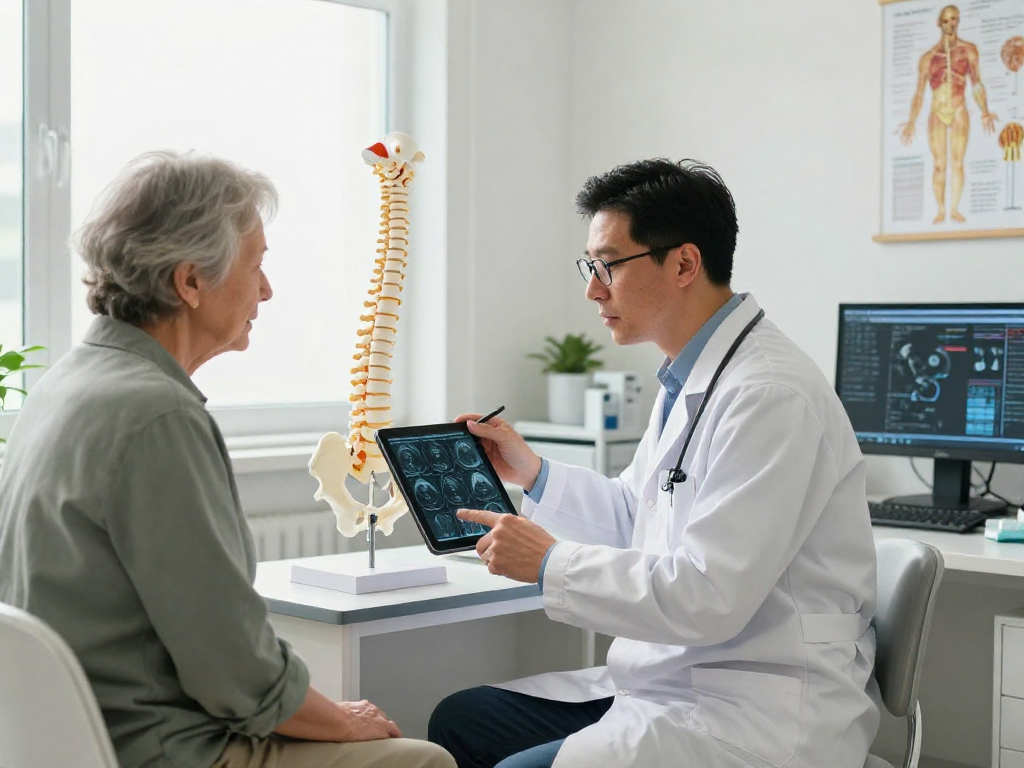
Dar kanal ameliyatı, also known as spinal stenosis surgery, is a critical procedure aimed at alleviating the pressure on the spinal cord and nerve roots caused by the narrowing of the spinal canal. This condition is particularly prevalent in older adults and can significantly affect quality of life. Individuals often experience debilitating symptoms such as lower back pain, numbness in the legs, weakness, and reduced walking distance. Understanding the necessity, procedures, and potential outcomes of this surgery is essential for those considering it. When exploring options, Dar kanal ameliyatı provides comprehensive insights into the nature of the surgery and recovery processes.
What is Dar Kanal Ameliyatı?
Dar kanal ameliyatı is designed to treat spinal stenosis, a condition marked by the narrowing of the spinal canal, which can lead to various neurological symptoms. This narrowing can result from several factors, including degenerative changes in the spine, disc herniation, thickening of ligaments, and bone spurs. The surgical process aims to decompress the affected areas, thereby relieving pressure on the spinal cord and nerves, and restoring normal function.
Why is the Procedure Necessary?
The need for dar kanal ameliyatı arises predominantly from the symptoms experienced due to spinal stenosis. As the spinal canal narrows, individuals may find it increasingly challenging to perform daily activities. Common symptoms include:
- Chronic back or neck pain
- Numbness or tingling in the legs
- Weakness in the extremities
- Difficulties with balance and coordination
- Reduced walking distance
These symptoms can lead to significant lifestyle limitations and diminish overall quality of life, making surgery a viable option for long-term relief.
Types of Dar Kanal Ameliyatı Techniques
When it comes to performing dar kanal ameliyatı, there are generally two primary techniques employed: the traditional rod fixation approach (vidalı) and the more modern minimally invasive technique (vidasız).
Comparing Vidasız and Vidalı Approaches
The vidalı approach involves the use of hardware, such as rods and screws, to stabilize the spine after decompression. This method is commonly used when there is a significant structural instability or when multiple levels of the spine are affected. On the other hand, the vidasız, or minimally invasive technique, focuses on reducing tissue damage, promoting quicker recovery. This approach utilizes smaller incisions and aims to preserve surrounding muscle integrity, thereby supporting faster rehabilitation.
Benefits of Minimal Invasive Techniques
Minimal invasive surgery offers several advantages over traditional techniques, including:
- Lower risk of complications
- Reduced postoperative pain
- Shorter recovery time and hospital stay
- Less scarring
- Preservation of spinal mechanics
These benefits can significantly improve the patient’s recovery experience and lead to a quicker return to daily activities.
When is Rod Placement Necessary?
Rod placement is typically indicated in cases where there is an identifiable instability in the spine. This can be due to conditions such as degenerative spondylolisthesis or significant loss of disc height. Surgeons may recommend stabilization using rods if there is evidence of dynamic instability during flexion-extension radiographs, or if the surgical area shows signs of excessive movement post-decompression.
Potential Risks and Complications
Like any surgical procedure, dar kanal ameliyatı comes with potential risks and complications that patients should be aware of before undergoing treatment.
Common Complications from Dar Kanal Ameliyatı
Some of the complications associated with dar kanal ameliyatı include:
- Infection at the surgical site
- Bleeding
- Nerve damage leading to persistent symptoms
- Failure to relieve symptoms
- Need for revision surgery
Understanding Revision Surgery Risks
While revisions are rare, they may be necessary if the initial surgery does not result in adequate symptom relief or if complications arise. Factors contributing to the need for revision include:
- Recurrent stenosis at nearby segments
- Persistent pain that does not respond to conservative management
- Development of instability in the treated area
Patients should engage in thorough discussions with their surgeons regarding their specific risks based on their medical history and the nature of their spinal condition.
Long-Term Outcomes and Follow-Up Care
Patients can expect varied long-term outcomes based on their specific conditions and the surgical techniques used. Regular follow-up appointments are essential to monitor recovery, manage pain, and assess for any potential complications. Engaging in physical therapy post-surgery plays a critical role in restoring function and strength while minimizing the risk of complications.
Recovery Process Post-Surgery
The recovery phase after dar kanal ameliyatı is crucial for a successful outcome. Understanding what to expect can alleviate anxiety for patients and their families.
What to Expect During Recovery?
Following the surgery, patients can expect an initial period of pain and discomfort, which typically diminishes over time. Initial recovery at the hospital lasts a few days, after which home recovery begins. Pain management strategies, including medications and physical therapy, will be introduced to aid in the recovery process.
Rehabilitation and Physical Therapy Importance
Rehabilitation is a vital component of recovery, focusing on restoring movement, strength, and functionality. Physical therapists will design a customized rehabilitation program that includes:
- Stretching and strengthening exercises
- Gait training
- Posture correction strategies
Commitment to these exercises can greatly influence recovery time and prevent potential complications.
Managing Pain and Preventing Complications
Post-operative pain should be carefully managed through a combination of medications and follow-up care. Patients are encouraged to report any unusual symptoms immediately to optimize their recovery and prevent complications. Staying active within recommended limits and adhering to rehabilitation guidelines significantly aid recovery.
Costs and Insurance Considerations
Understanding the financial aspects of dar kanal ameliyatı is crucial for planning the procedure effectively.
Breaking Down Dar Kanal Ameliyatı Costs
The total cost of dar kanal ameliyatı can vary widely based on the surgical technique used, the hospital’s pricing policies, and whether other medical services are required. In general, costs may include pre-operative assessments, surgery, hospital stay, and post-operative care.
How Health Insurance Can Help
Many insurance plans cover dar kanal ameliyatı, but it is essential for patients to verify their policy’s specifics. Patients should contact their insurance provider to understand coverage limits, deductibles, and copayments associated with the procedure.
Financial Planning for Surgery
Advance planning can help mitigate unexpected expenses. Patients are encouraged to consider all potential costs, including consultations, rehabilitation, and follow-up visits, to ensure they are financially prepared for the surgery and recovery period.
What should I know before dar kanal ameliyatı?
Before undergoing dar kanal ameliyatı, it is vital to have a clear understanding of the procedure, potential outcomes, and risks involved. Engaging with healthcare professionals for detailed pre-operative discussions can help clarify any uncertainties.
Are there alternatives to dar kanal ameliyatı?
Patients may explore non-surgical alternatives, such as physical therapy, pain medications, or steroid injections, before considering surgery. However, these options may not provide long-term relief for everyone.
How can I prepare for my surgery?
Preparation involves several steps, including medical evaluations, discussions with the surgical team, and potentially making lifestyle adjustments to promote healing post-surgery.
What is the rehabilitation timeline?
The rehabilitation timeline varies by individual but generally begins with light activities followed by gradual increases in intensity as healing progresses. Consistency in physical therapy is key to maximizing recovery.
Will I need revision surgery in the future?
The necessity for future revision surgeries can depend on various factors, including individual healing response and the development of new issues post-surgery. For more information, Dar kanal ameliyatı offers valuable insights. Regular check-ins with a healthcare provider can help in monitoring and addressing any emerging concerns.